
Charging Systems Diagnosed Alongside Battery Swaps
Battery Replacement in Two Harbors for vehicles that fail to start during extreme cold off Lake Superior
Extreme north shore cold drains weak batteries fast, and many locals discover a dead battery on the coldest mornings of the year when temps drop hard off Lake Superior and cranking amps fall below the threshold required to turn the engine. Northwoods Collision & Maintenance tests the charging system alongside the battery during replacement service, because a bad alternator kills a new battery fast and skipping that diagnostic step is the most common mistake at chain shops. Automotive maintenance background means charging system diagnosis gets performed correctly during battery replacement rather than treating the swap as an isolated parts transaction.
Battery replacement involves testing the existing battery under load to confirm failure rather than a temporary discharge, inspecting terminal corrosion that impedes current flow, verifying alternator output voltage and amperage to ensure the charging system maintains battery capacity, then installing a replacement battery matched to vehicle electrical demands and cold-cranking requirements for northern Minnesota winters.
Request battery testing and replacement to address starting failures before you're stranded during a subzero cold snap.
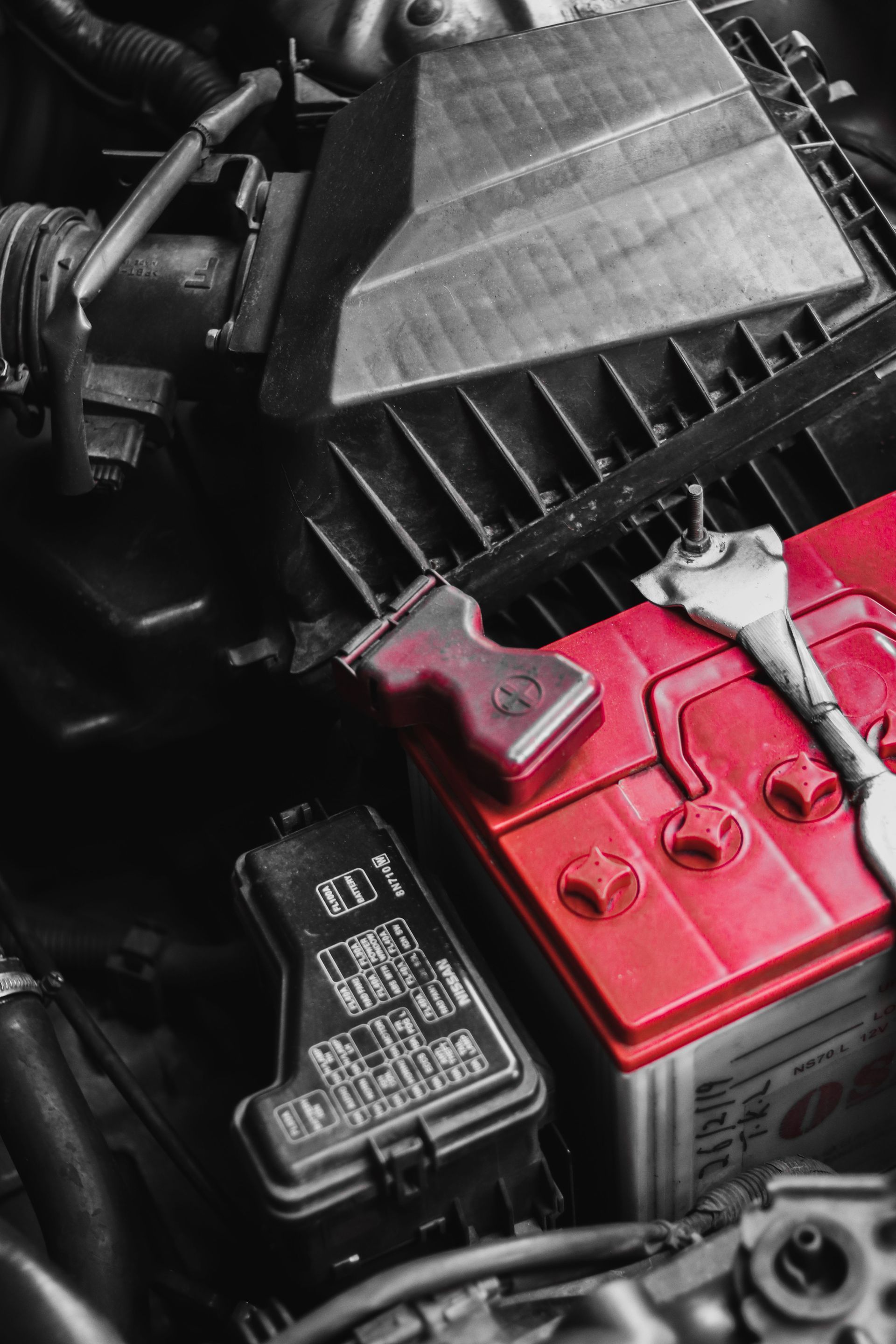
Why Charging System Testing Works for Battery Longevity
Testing the alternator, voltage regulator, and battery cables during replacement identifies whether the charging system delivers sufficient amperage to maintain battery charge during short winter drives with heavy electrical loads from defrosters, headlights, and blower fans. A failing alternator that undercharges the battery will drain a new battery within weeks, while corroded cables create resistance that prevents full charging even when the alternator functions correctly, so the full-service approach addresses the system rather than swapping parts in isolation.
After battery replacement with charging system verification, the engine cranks reliably even in subzero temperatures, electrical accessories operate without dimming or voltage drops, and the new battery maintains charge through repeated short trips and cold starts. You avoid the frustration of replacing a battery only to face another failure weeks later because an undiagnosed alternator problem was never identified.
Battery service addresses starting and charging systems but does not include starter motor replacement, wiring harness repair, or electrical diagnostics for unrelated accessory failures. The focus stays on ensuring the battery receives proper charge and delivers reliable cranking power under the temperature extremes common to north shore driving.
Questions Before Starting Your Project
North shore drivers often ask similar questions before scheduling battery replacement or addressing cold-weather starting failures.
What gets tested during battery replacement beyond just swapping the battery?
The existing battery undergoes load testing to confirm actual failure, the alternator gets checked for correct voltage output and amperage delivery, battery cables are inspected for corrosion and resistance, and the voltage regulator is verified to prevent overcharging or undercharging the new battery.
How does Lake Superior cold affect battery performance compared to milder climates?
Subzero temperatures reduce battery cranking amps significantly, so a battery that starts a vehicle reliably at 40 degrees may fail completely at minus 20 degrees, which makes cold-cranking amp ratings and charging system health critical for vehicles driven year-round on the north shore.
Why do bad alternators kill new batteries so quickly after replacement?
An alternator that undercharges leaves the battery in a constant low-voltage state, which causes sulfation and permanent capacity loss within weeks, while an overcharging alternator boils electrolyte and warps internal plates, so either failure mode destroys a new battery faster than normal wear would.
When should battery replacement be scheduled instead of waiting for complete failure?
Replace the battery when you notice slow cranking during cold starts, dimming interior lights with accessories running, repeated jump-start needs, or when the battery is more than four years old and winter approaches, because waiting for total failure risks being stranded in subzero conditions far from assistance.
What battery brands and cold-cranking amp ratings are appropriate for north shore winters?
Battery selection depends on vehicle electrical demands and available mounting space, but cold-cranking amp ratings must exceed manufacturer minimums to compensate for extreme temperature drops, and the shop selects batteries built for northern climates rather than southern or moderate-temperature regions.
Northwoods Collision & Maintenance handles battery replacement with thorough charging system testing for north shore drivers who can't afford a second breakdown caused by an undiagnosed alternator or cable issue. Set up a battery test and replacement visit to address starting reliability before extreme cold creates an emergency situation.