Routine Service with Full Vehicle Knowledge
Oil Changes in Two Harbors for vehicles stressed by lake-effect cold and remote highway driving
Wrong oil viscosity in January accelerates engine wear on vehicles already stressed by lake-effect cold, which makes correct oil selection critical for north shore drivers who face temperature extremes that quick-lube chains often ignore. Northwoods Collision & Maintenance performs oil changes with a visual underhood check during each visit, so developing issues get caught before they strand someone on a remote stretch of Highway 61. You receive oil and filter service at a full-service collision and maintenance shop rather than a chain facility, which means the technician performing the work can recognize problems that a quick-lube employee would miss.
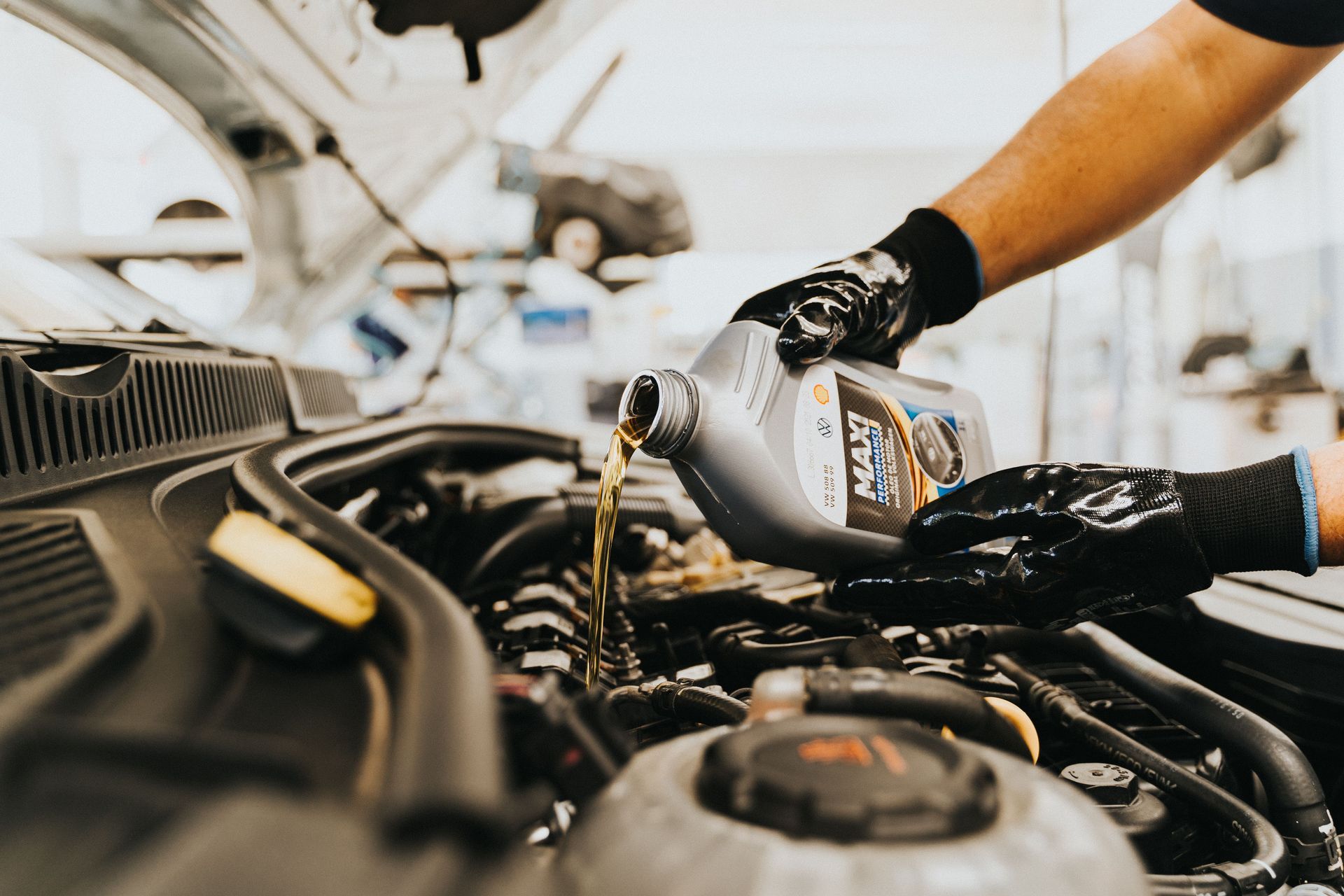
Oil change service involves draining used oil, replacing the filter, refilling with viscosity-appropriate oil for current seasonal temperatures, and inspecting fluid levels, belt condition, battery terminals, and visible leaks during the process. Cold north shore winters demand correct oil weight to maintain lubrication during cold starts when metal contracts and oil thickens, so seasonal viscosity adjustments matter more than they do in milder climates.
Schedule an oil change appointment to address routine fluid service and receive a visual vehicle inspection during the same visit.
What You Notice Once Oil Service Is Finished
Oil changes performed at a shop that handles collision repair and mechanical work mean the technician doing the service recognizes early warning signs across multiple vehicle systems, not just fluid condition. The visual check covers cooling system hoses for cracks caused by freeze-thaw cycles, drive belts for glazing or fraying, battery terminals for corrosion that affects starting reliability, and fluid leaks that indicate failing gaskets or seals.
After the oil change, the engine runs smoothly during cold starts without excessive valve noise, oil pressure stabilizes quickly even in subzero temperatures, and you receive direct feedback about any developing issues observed during the underhood inspection. Vehicles that receive consistent oil service with correct seasonal viscosity avoid accelerated bearing wear, sludge buildup, and cold-start damage that shortens engine life in northern climates.
Oil change service does not include engine diagnostics, timing belt replacement, or coolant system repairs that require more extensive labor. The focus remains on routine fluid maintenance and visual inspection to catch problems early, not comprehensive mechanical overhaul or advanced troubleshooting.
What Property Owners Usually Ask
Drivers frequently ask these questions before scheduling oil change service or addressing seasonal fluid maintenance concerns.
What gets inspected during an oil change visit at the Two Harbors shop?
Oil and filter replacement includes a visual underhood check covering fluid levels, belt condition, battery terminal corrosion, coolant hose integrity, and obvious leaks, so you leave with information about developing problems that need attention before they cause breakdowns.
How does cold north shore weather affect oil viscosity requirements?
Subzero temperatures thicken oil and slow circulation during cold starts, which increases bearing wear if viscosity is too heavy, so correct seasonal oil weight selection based on manufacturer specifications and local temperature patterns directly affects engine longevity and cold-start reliability.
Why does full-service shop experience matter for routine oil changes?
Six-plus years of automotive experience means the technician performing the oil change recognizes failing water pumps, worn serpentine belts, corroded battery cables, and leaking gaskets during the visual inspection, while quick-lube employees typically lack the knowledge to identify issues beyond the oil change itself.
When should oil changes be scheduled to match north shore driving conditions?
Follow manufacturer-recommended intervals as a baseline, then adjust frequency if you drive mostly short trips in cold weather, idle extensively during winter warm-ups, or operate on gravel roads where dust infiltrates the air filter and accelerates oil contamination.
What oil types and brands are used during service?
The shop selects conventional or synthetic oil based on manufacturer specifications, seasonal temperature requirements, and vehicle age, prioritizing correct viscosity and additive packages over specific brand preference to match north shore cold-weather demands.
Northwoods Collision & Maintenance provides oil change service for north shore vehicles with the benefit of full automotive knowledge rather than isolated quick-lube training. Book a service visit to handle routine oil maintenance and receive an experienced inspection of developing issues during the same appointment.