Suspension That Survives Another Spring
Suspension Repair in Two Harbors for vehicles damaged by pothole-riddled roads after freeze-thaw season
Pothole-riddled north shore roads after freeze-thaw season beat up struts, shocks, and tie rods on local vehicles every spring, creating suspension repair demand that spikes as soon as the snow clears and the pavement damage becomes visible. Northwoods Collision & Maintenance provides strut, shock, and tie rod service for vehicles operating on Highway 61 and surrounding routes where winter freeze cycles crack pavement and spring thaw opens holes that weren't there in November. Worn suspension accelerates tire wear and throws off alignment, which means catching suspension damage after pothole season prevents compounding costs for the customer who would otherwise burn through a new set of tires in half the expected mileage.
This shop connects suspension damage to downstream tire and alignment costs because suspension components control how tires contact the road surface, and when struts or tie rods are compromised, the vehicle can't hold proper alignment no matter how many times it's adjusted. The work involves inspecting strut mounts for separation, checking shock absorbers for leaks or loss of damping, and testing tie rod ends for play that affects steering response and tire angle.
Request a suspension inspection to identify worn components before they affect tire life and alignment stability.
How Suspension Damage Affects Vehicle Performance
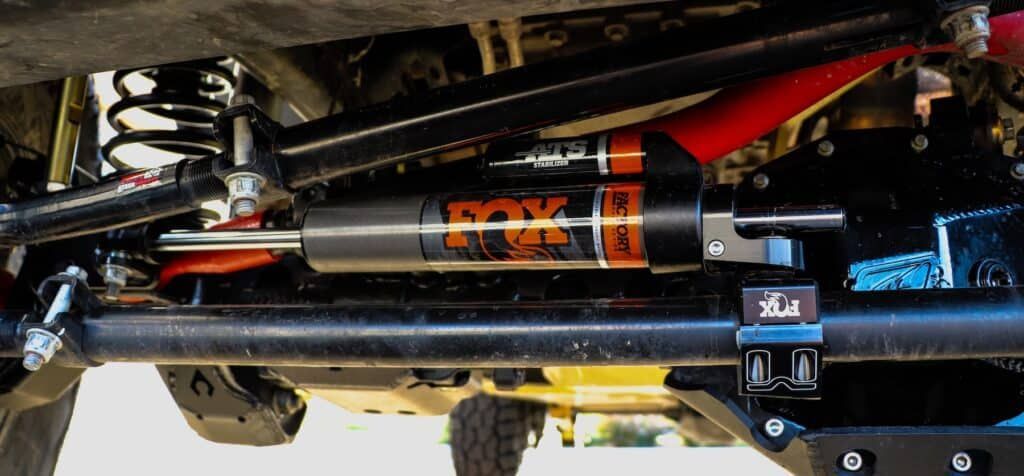
Suspension repair begins with identifying which components have failed or degraded beyond acceptable limits—struts that no longer dampen road input, shocks that leak hydraulic fluid, or tie rod ends with excessive play that allows the steering to wander. Each of these failures shows up differently: worn struts produce bouncing after hitting bumps, failed shocks cause the vehicle to nose-dive during braking, and loose tie rods create steering that feels vague or requires constant correction on straight roads.
Once suspension components are replaced, steering response becomes more direct, the vehicle tracks straight without pulling to one side, and ride quality smooths out because the suspension is absorbing road irregularities instead of transferring every impact directly into the cabin. Tire wear also stabilizes because the suspension holds the wheels at the correct angle relative to the road surface, preventing the uneven contact that causes tires to scrub or feather at the edges.
Northwoods Collision & Maintenance addresses suspension systems as part of full-service vehicle care, with technicians trained to recognize how suspension failure affects other systems and costs. The work includes component replacement and functional testing, with alignment recommendations provided when suspension geometry has been restored and wheels need to be reset to specification.
Answers to Frequent Service Questions
Drivers coming out of another rough winter on Highway 61 often have specific concerns about suspension condition and repair timing.
What are the signs that my suspension needs repair after winter?
Bouncing after hitting bumps, steering that pulls to one side, uneven tire wear on the inner or outer edges, clunking noises over rough pavement, and a vehicle that feels loose or disconnected during lane changes all indicate suspension damage that should be inspected.
How does pothole damage to suspension affect tire costs?
Worn struts or damaged tie rods prevent the vehicle from holding proper alignment, causing tires to wear unevenly and requiring premature replacement even if the tires themselves weren't directly damaged by the pothole impact.
When is the best time to check suspension after freeze-thaw season in Two Harbors?
Suspension inspections should happen in late spring once roads have fully thawed and all pothole damage is visible, allowing you to address worn components before summer travel and prevent further deterioration during the next winter cycle.
Why does suspension repair demand spike in spring around here?
Freeze-thaw cycles crack pavement throughout winter, and spring thaw opens those cracks into potholes that damage suspension components when vehicles hit them at normal speeds on roads that were smooth six months earlier.
What's the difference between strut replacement and shock replacement?
Struts are structural suspension components that support vehicle weight and control alignment angles, while shocks only dampen movement—strut replacement is more involved because it affects suspension geometry and often requires alignment afterward, whereas shock replacement typically does not.
The practical suspension shop for drivers navigating another rough winter is located in Two Harbors, where Northwoods Collision & Maintenance handles suspension service under the same roof as body work and collision repair. Schedule a suspension evaluation to assess strut condition, shock function, and tie rod wear after pothole season ends.