Punctures That Strand Vehicles Unexpectedly
Tire Patching in Two Harbors for puncture damage, pressure loss, and low-tire warnings
When a tire loses pressure faster than normal or the dashboard warning illuminates without obvious cause, a sharp object may have penetrated the tread and created a slow leak that worsens as you drive. Tire patching addresses certain types of puncture damage after the tire has been removed, inspected, and confirmed repairable based on the location and size of the hole. Northwoods Collision & Maintenance provides tire patching in Two Harbors for vehicles affected by nails, screws, and road debris common along Highway 61 and North Shore logging routes.
The shop dismounts the tire from the rim, locates the puncture by submerging the tire in water or applying soapy solution to identify escaping air, and examines the interior liner for damage that indicates whether a patch will hold or whether the tire's structural integrity has been compromised. Punctures in the tread area within certain size limits can often be repaired using a combination plug-and-patch system applied from the inside, while sidewall damage, large tears, or punctures near the shoulder typically require tire replacement to maintain safe driving conditions.
Request a tire evaluation to determine whether your punctured tire qualifies for patching or needs replacement.
Why Puncture Location Determines Repair Eligibility
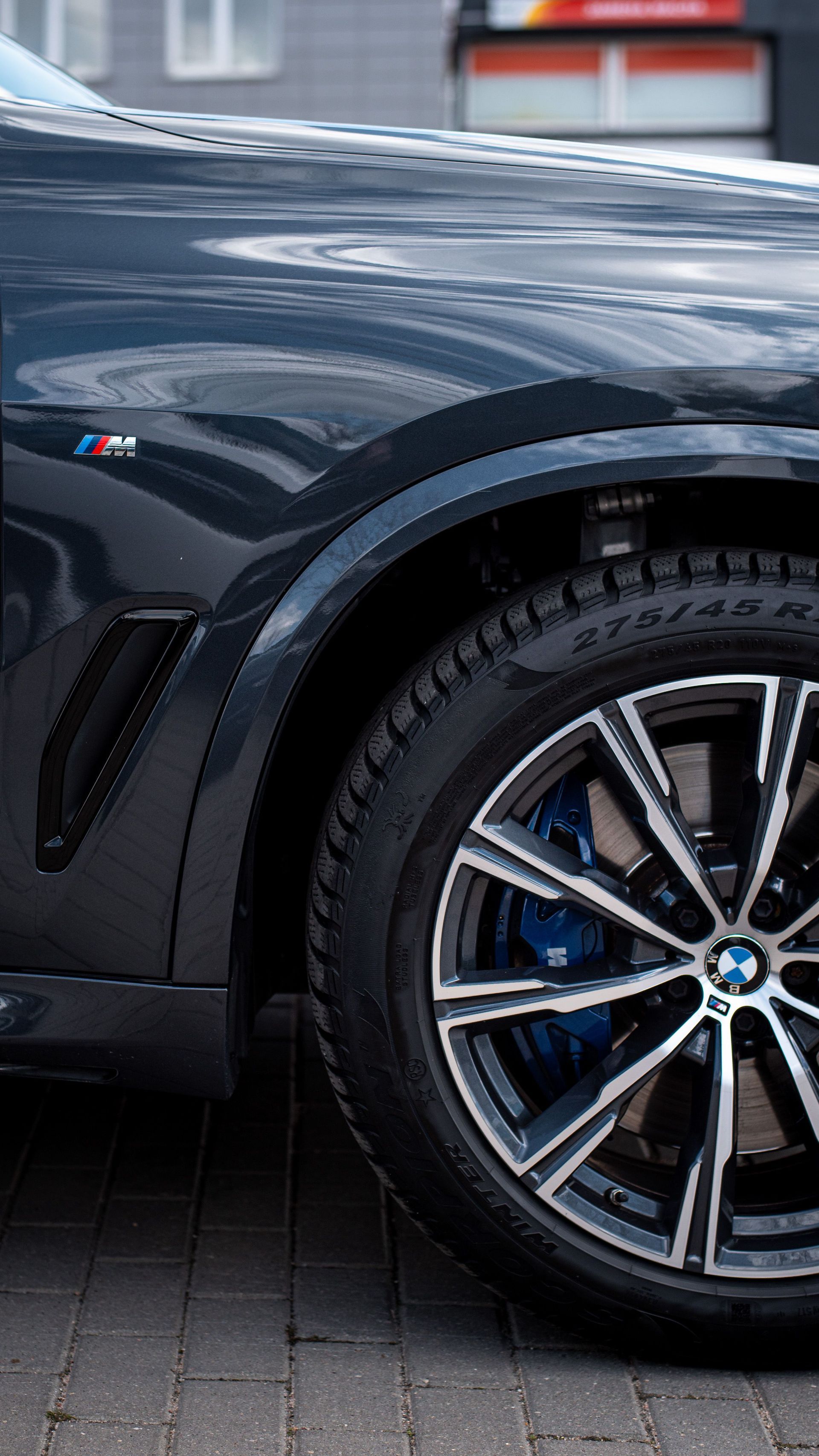
Tires flex most aggressively at the sidewall during cornering and load changes, so punctures in that zone create weak points that can fail suddenly under stress. Repairable punctures must fall within the central tread area where the tire makes consistent road contact and where internal reinforcement layers remain intact after the object is removed, and the hole must measure below a diameter threshold that varies by tire type and manufacturer specification.
After a proper patch is installed, the tire holds air pressure consistently without requiring frequent top-offs, the low-pressure warning no longer activates during normal driving, and you regain the traction needed for wet pavement, snowpack, and icy conditions that define Two Harbors winters. The patched tire returns to service as part of the vehicle's matched set, maintaining balanced handling and predictable braking response.
Some punctures appear minor from the outside but have caused internal separation between the tire's layers, and that hidden damage only becomes visible during dismounting and interior inspection. Driving on a significantly underinflated tire even for short distances can ruin the sidewalls and render a previously repairable puncture into a replacement situation.
Questions Before Starting Your Project
Drivers facing pressure loss or puncture concerns often want to understand the evaluation process and what determines the next step.
What warning signs indicate a tire has been punctured?
Gradual pressure loss over several days, a persistent low-pressure dashboard warning, visible objects embedded in the tread, or a hissing sound when the vehicle is parked all suggest puncture damage that needs professional inspection.
How does northern Minnesota road debris affect puncture frequency?
Gravel from winter road treatments, metal fragments from snow plow blades, and sharp stones common on rural routes increase puncture risk compared to urban driving on continuously paved surfaces.
What happens during a tire patch evaluation at Northwoods Collision & Maintenance?
The technician removes the tire from the wheel, inspects the interior liner for damage, measures the puncture size and location, and determines whether a plug-patch repair meets manufacturer safety standards for your specific tire.
When should I replace a punctured tire instead of patching it?
Replacement becomes necessary when the puncture falls outside the repairable tread zone, when multiple punctures have already been repaired, when the sidewall has been damaged, or when internal separation is visible during inspection.
Can I drive to the shop on a tire that's losing air slowly?
If the tire holds enough pressure to maintain its shape and the distance is short, slow driving may be safe, but completely flat tires should not be driven on as the sidewall will be permanently damaged and create a dangerous handling situation.
Northwoods Collision & Maintenance inspects each tire thoroughly and explains whether patching will restore dependable performance or whether replacement is the safer choice. Call (218) 892-1583 to schedule tire service before a slow leak becomes a roadside emergency.